The Ultimate Guide to Working Canines: Training, Care, and Careers for Your Four-Legged Partner
The bond between humans and dogs is one of the oldest partnerships in history, evolving from basic survival to the complex relationships we experience today. As we explore the world of working canines, it's essential to understand that these dogs are not just pets; they are invaluable partners that assist in various roles, from search and rescue dogs to police dogs and even emotional support dogs. Each role requires unique skills, and the foundation of these skills lies in effective training techniques. Are you ready to unleash the potential of your four-legged friend?
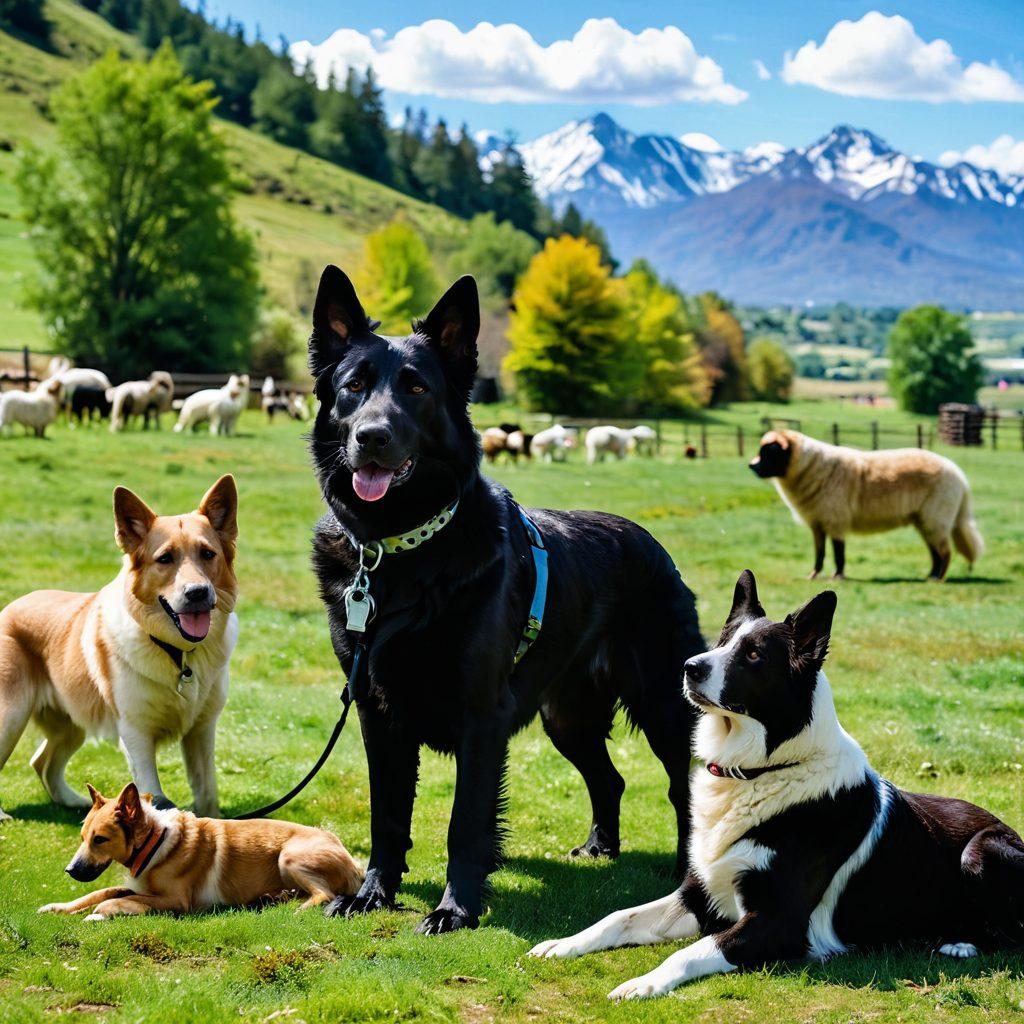
When diving into dog training techniques, it's crucial to recognize that not all breeds are created equal. Different dog breeds exhibit varying behavior patterns, which means that the training method used for a German Shepherd might not yield the same success with a Cavalier King Charles Spaniel. For example, herding breeds, renowned for their intelligence and work ethic, benefit from dog agility training that challenges their minds and bodies. Understanding dog breed information helps create a tailored approach, ensuring each dog gets the training suited to their strengths and needs. Have you considered how the unique traits of your canine can shape their training journey?
One of the most powerful aspects of training working canines involves dog behavior modification. This technique focuses on changing undesirable behaviors through positive reinforcement and patience. Behavioral issues can arise from lack of socialization, especially in urban working dogs that may face unique challenges. Training obedience is not merely about commands but enables dogs to learn how to navigate their environments confidently. As a dog guardian, it's essential to take an active role in puppy training and dog socialization, instilling these critical skills from an early age. What challenges have you faced in your own dog training journey?
Equally important to the training process is the significance of canine health and wellness. Regular veterinary care is essential for any working dog, ensuring they remain fit and healthy enough to complete their dog tasks. By implementing a routine that includes veterinary check-ups and assessments, dog guardians can monitor their dog's physical condition and address any potential health concerns before they escalate. After all, a healthy dog is a happy dog, and happiness directly correlates with effective work performance. How do you prioritize your canine's health and wellness in your everyday routine?
Canine careers are vast, creating opportunities for dogs to excel in various fields. Working dog organizations provide resources and networks for those interested in training and deploying working canines, leading to fulfilling careers for both dogs and their handlers. Whether you envision your canine as a search and rescue dog or an assistance dog, it boils down to patience, dedication, and the right dog handling techniques. So, if you've ever dreamed of partnering with your dog in a professional capacity, the time to act is now. Is your canine ready to take on the world?
From Puppy Playtime to Professional Partners: A Journey into Canine Careers
Have you ever watched a dog perform a task and wondered about the journey that brought them to that moment? From playful puppies romping in the grass to dedicated working canines tackling assigned roles, these incredible animals embody loyalty, intelligence, and a motivation that often amazes their human partners. In this blog, we’ll explore the fascinating world of canine careers, shedding light on the various paths these remarkable animals may take and the dog training techniques required to prepare them for a meaningful life filled with purpose.
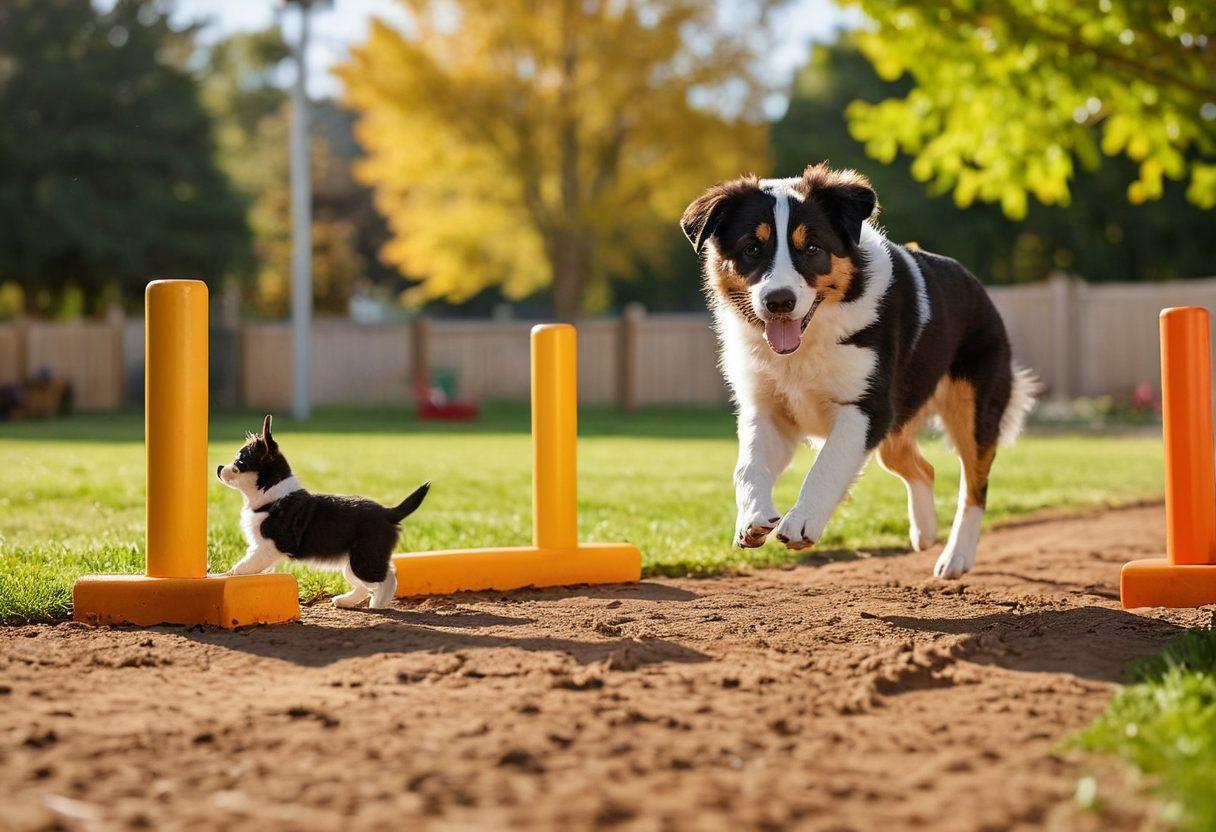
It all begins with puppy playtime! As every dog guardian knows, the first few months of a puppy's life are crucial for development. Engaging in proper puppy training not only sets the foundation for dog obedience but also nurtures necessary dog behavior patterns through play, socialization, and basic commands. Are you aware that early interactions influence a dog's future as an employment dog? Yes, those moments spent with your energetic bundle of fur could very well pave the way for a successful career as an assistance dog or even a search and rescue dog!
As puppies transition into adulthood, their training journey changes as well. This is where canine behavior modification comes into play. Every dog breed has unique traits; understanding dog breed information is essential. For instance, herding breeds often thrive in environments with structured tasks, while urban working dogs may require more creativity for dog agility training to remain stimulated. What if your dog could develop skills that contribute to their community, such as police dogs who work tirelessly to keep our streets safe? Imagine the pride of being a dog guardian whose partner is out there saving lives!
But the path to a successful canine career isn’t just about obedience training; it also involves understanding canine health and wellness. This includes veterinary care, proper nutrition, and regular exercise. After all, a healthy dog is a happy dog, and their performance will reflect this. Moreover, working dog organizations play a vital role in ensuring that these dogs receive the training they need along with the support they deserve in their jobs. Isn’t it intriguing how much collaboration goes into shaping these remarkable animals into professional partners?
As we dive deeper into the various canine careers, we uncover opportunities beyond traditional roles. Emotional support dogs are invaluable allies for individuals navigating mental health challenges. The journey from tiny, fluffy puppies to life-changing emotional support dogs highlights the extraordinary relationship between humans and dogs. The essence of dog guardianship celebrates the bond we share and the impact working canines impart within our society. So, are you ready to embark on this incredible journey into the world of canine careers? Let's honor these devoted companions, understanding what it takes to raise and train them into extraordinary working canines!
Caring for Your Canine Co-Worker: Health, Socialization, and Behavior Tips
Caring for your canine co-worker isn’t just about feeding and walking them; it involves a deep understanding of their health, socialization, and behavior. Imagine this: You’re at the park, enjoying the sun, when suddenly, your assistance dog springs into action to help a child who has fallen. This isn’t just an example of a job well done; it exemplifies the unique bond and mutual understanding formed through proper training and care. For those involved in canine careers or simply managing an employment dog, understanding these facets is essential for your four-legged partner to thrive in their role.
Let’s talk about health first. Canine health and wellness should always be at the forefront of your mind. Schedule regular veterinary care to ensure vaccinations are up-to-date and that your working canine is as fit as possible. Eating a balanced diet based on dog breed information is crucial. Whether you’ve got a herding breed running tirelessly on the farm or an urban working dog navigating the city, their nutritional needs differ. Remember, a healthy dog is a happy dog—a fact that can’t be overstated when it comes to the effectiveness of dog tasks that they perform daily.
Speaking of tasks, let’s not forget the importance of dog training techniques. Training obedience isn’t simply about commands; it’s about building trust and establishing clear communication between you and your canine partner. One strategy that many find effective is positive reinforcement. This not only makes the training process enjoyable but also fosters good dog behavior patterns that benefit everyone. Have you ever experienced a moment where your dog surpassed your expectations? Think back to the time when a police dog managed to locate a missing person. This extraordinary achievement stems from consistent training and education. What will your dog achieve with the right tools and techniques?
Socialization is another key element for your working canines. Proper dog socialization during puppy training can impact their ability to handle different environments as they grow older. Bringing your employment dogs to various settings will help them build resilience against new challenges. For instance, exposing an emotional support dog to loud noises or unfamiliar crowds is essential in creating a well-rounded companion. Ask yourself, how well does your dog adapt? A well-socialized dog isn't just an asset; they can also work miracles in emotionally charged situations.
Lastly, let’s not overlook dog handling techniques. These are particularly essential for those involved in working dog organizations or those who want to ensure their canine partner thrives in their role. Engaging in dog agility training or search and rescue exercises isn’t just about physical ability; it requires mental stimulation, too. Incorporating fun into training makes the bond between you and your canine stronger. And as you cultivate this powerful connection, relish in the thought that you are not just a dog guardian but a co-worker, sharing an invaluable partnership. As you embark on this journey with your canine, what unique experiences await you both?